
Lucky Numbers in Gambling: A Cultural Map
Numbers carry cultural weight at the tables worldwide. Understanding where these beliefs come from helps separate tradition from odds that never actually change.
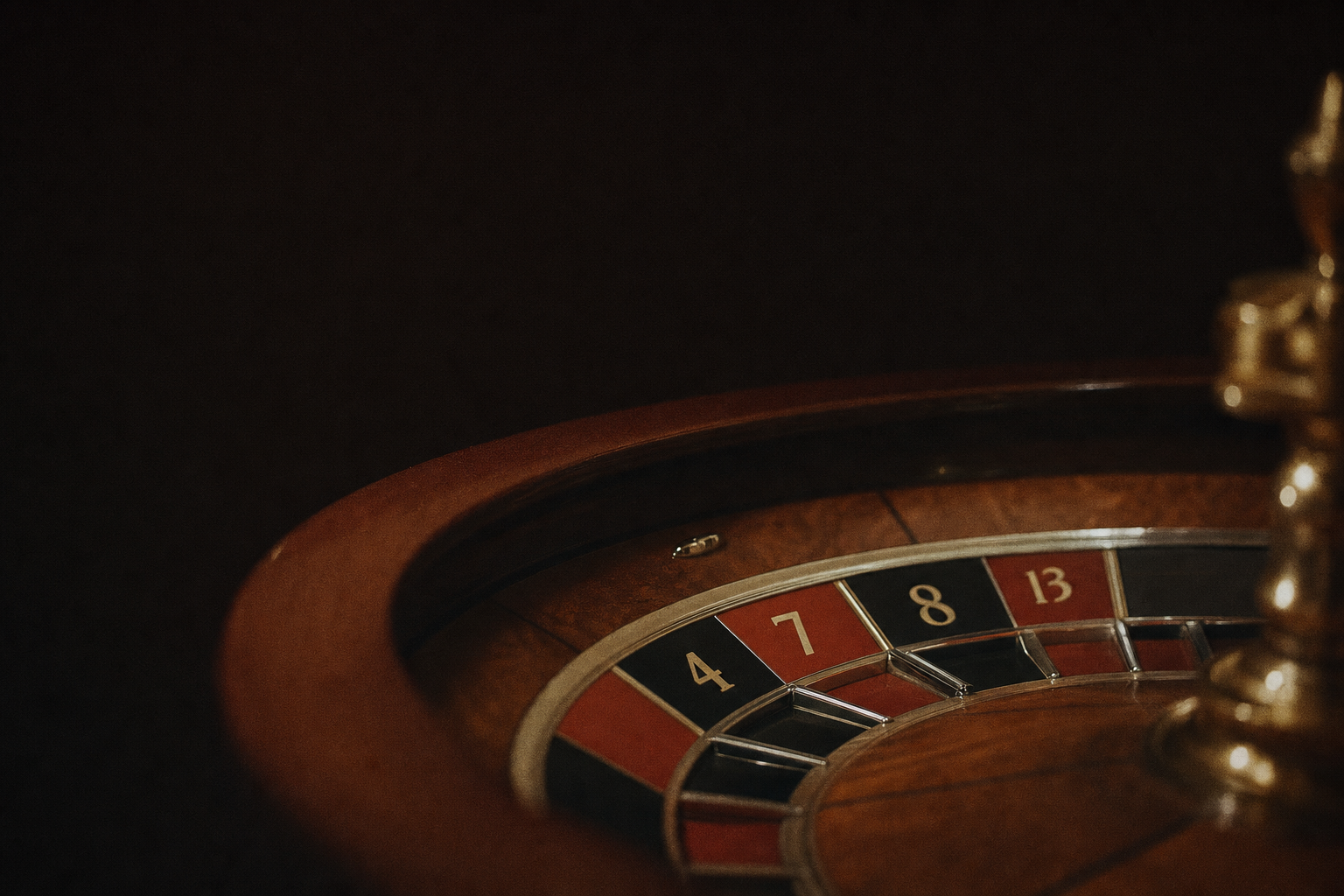
Walk into a casino anywhere in the world and lucky numbers start doing quiet work before a single chip lands on the table. Gambling has always carried its own folklore, and numbers sit at the centre of it: which ones players trust, which ones they avoid, and why those instincts rarely match how the maths underneath the game actually works.
Numbers That Follow Players to the Table
Roulette players lean on birthdays and lucky sevens. Slot studios build entire games around the number 8. Resort developers in parts of Asia will skip a floor number entirely rather than print it on a lift button. None of this changes how a roulette wheel or a random number generator behaves, but it shapes how millions of people play, what they bet, and which games or hotel rooms they choose without a second thought. This is not a betting strategy piece. There is no number that beats the house edge. What follows is a cultural map: where beliefs about lucky and unlucky numbers actually came from, how differently they land depending on where you're standing, and why the maths underneath every game stays exactly the same no matter which number you pick.
Seven, Thirteen and the Western Habit of Choosing Sides
In much of the Western world, 7 is the number gamblers reach for first. Its lucky reputation predates casinos by centuries, showing up in religious texts, such as the seven days of creation and the seven heavens described in several traditions, and in older folk counting systems that treated seven as a number of completeness. That inherited goodwill followed gambling into the modern era. Slot machine reels borrowed the symbol directly, dice games built entire bets around rolling a 7, and "lucky number seven" became a stock phrase in English long before anyone associated it with a jackpot. Thirteen carries the opposite reputation. Its unlucky status in Christian-influenced cultures is usually traced to the Last Supper, where thirteen guests sat at the table before a betrayal. That association hardened into a wider fear of the number, known formally as triskaidekaphobia, and it shows up well beyond casinos: many Western hotels and office blocks still skip a thirteenth floor, and airlines have historically avoided row 13. At the tables, this plays out as habit rather than strategy. Roulette players will back 7 for sentimental reasons, and some avoid betting on 13 even though it pays out on exactly the same odds as every other single number on the wheel. The belief is real. The mathematical difference is not.
Eight, Four and the Weight of Sound in East Asia
Across China, and in overseas Chinese communities worldwide, 8 is the number to want. The belief is linguistic rather than religious: in Cantonese and Mandarin, the word for "eight" sounds close to the word for "prosperity" or "wealth." That single phonetic overlap has enormous commercial weight. Casino resorts across Asian gaming hubs use 8 heavily in branding, room numbering and marketing, and buyers will pay a premium for phone numbers, car plates or addresses containing multiple eights. Four carries the reverse problem for the same linguistic reason. In Mandarin, Cantonese, Japanese and Korean, the word for "four" sounds similar to the word for "death." The discomfort is strong enough to have real architectural consequences: it is common for hotels, hospitals and apartment blocks across China, Japan, Hong Kong, Taiwan and South Korea to skip the fourth floor, the fourteenth floor, or any room number containing a 4, in the same way Western buildings skip a thirteenth floor. Casino floors in the region often follow the same pattern, and table or machine numbering will sometimes route around 4 for the same reason.
- 7 is treated as lucky across much of the Western world and appears constantly in slot symbols and dice bets.
- 13 is widely avoided in Christian-influenced cultures, often skipped in hotel floor numbering.
- 8 is considered auspicious in Chinese-speaking regions because it sounds like the word for prosperity.
- 4 is avoided across China, Japan and Korea because it sounds close to the word for death.
None of this is regional trivia for its own sake. It is a working example of how deeply a purely phonetic coincidence can shape design decisions worth real money, long before anyone sits down to play.
Other Traditions Worth Knowing
Other cultures carry their own number histories. In Japan, 9 is treated with some caution because it can be pronounced in a way that echoes the word for "suffering" or "pain," giving it a status somewhere between neutral and unlucky depending on context, distinct from the more widely known unease around 4. Italian folk tradition has historically treated 17 with suspicion, linked to an old numeral arrangement that can be rearranged to read as a phrase associated with death. Beyond broad cultural patterns, most individual players carry a personal layer on top. Birthdays, wedding anniversaries, a late relative's house number, the age a child was born: these show up constantly at roulette tables and in lottery number selection everywhere, regardless of nationality. This personal superstition does not need a folklore explanation. It is simply how people attach meaning to numbers that already matter to them, and it sits alongside, rather than instead of, the wider cultural beliefs around numbers like 7, 13, 8 and 4.
How Casinos and Game Designers Lean Into Belief
Game studios and casino marketers are well aware of all this, and number symbolism shows up constantly in branding. Slot titles lean on 7s and diamonds because the imagery reads as instantly lucky to a Western audience. Games aimed at Asian markets frequently work 8s into titles, symbols and bonus structures, while carefully avoiding 4 in the same spots. Resort branding follows the same logic: room numbers, floor counts and even table numbering get adjusted to avoid numbers a large share of guests would find offputting. This is marketing built on genuine cultural history rather than invention, which is part of why it works. It echoes a pattern that runs through the history of casino games, where dice, cards and early wheels have always carried symbolic weight well beyond their mechanical function. The number on a reel or a roulette pocket is doing two jobs at once: it is a mathematical outcome, and it is a small piece of cultural signalling aimed at making a game feel familiar or fortunate to the person playing it.
Whether a Number Can Actually Change Your Odds
Here is the part worth being plain about: no number carries better real odds than any other in a game with a fixed mathematical structure. On a roulette wheel, every pocket has exactly the same chance of being the next result, regardless of whether it is 7, 13, 4 or 8. Slot machines and other random number generator games work the same way; the software does not know or care what a symbol means in any culture, and it cannot be influenced by belief. This is the same honesty we apply across every review on this site. When we look at casino reviews or run a comparison between operators, the numbers that actually matter are the ones built into a game's design and an operator's terms, not folklore. That approach is set out in full in how we rate casinos.
“A lucky number is real to the person choosing it and invisible to the maths underneath the game.”
Quick Answers on Lucky and Unlucky Numbers
What is the luckiest number in gambling? There isn't a single global answer. In Western culture, 7 is the number most associated with luck, while in Chinese-influenced cultures 8 holds that place because of how it sounds. Why is 13 unlucky? The belief is usually traced to Christian tradition and the Last Supper, and it has spread into general Western superstition well beyond religious contexts, showing up in hotel floor numbering and everyday phrases. Why do some buildings skip the number 4? In Mandarin, Cantonese, Japanese and Korean, the word for four sounds similar to the word for death, so hotels, hospitals and casinos across parts of East Asia often omit it from floor numbers and room numbers. Does a lucky number improve your chances? No. Games with fixed mathematical structures, including roulette and slots, give every number or outcome the same odds regardless of cultural meaning.
- BeGambleAware, gambling support resource
- GamCare, gambling support resource
- Gamblers Anonymous, peer support resource